Listed homes near Wimbledon Common: moving permissions
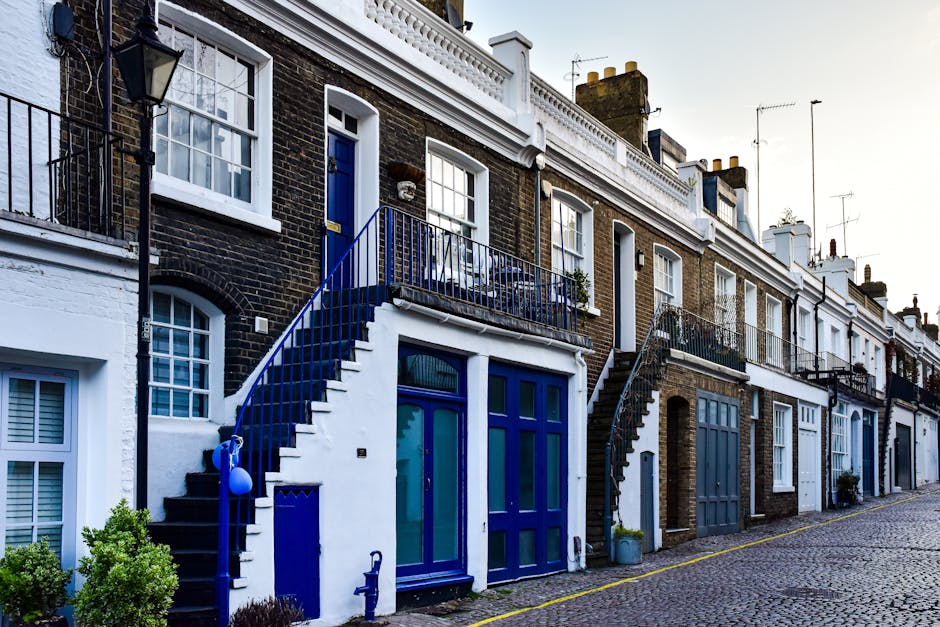
Moving into, or out of, a listed home near Wimbledon Common sounds straightforward until the paperwork, access rules, and building sensitivities start to stack up. One day you are measuring sofa legs; the next, you are wondering whether a parking bay suspension is needed, if a front door can be removed, or whether a fragile staircase needs a very careful two-person carry. That is the reality for many people dealing with listed homes near Wimbledon Common: moving permissions. The permissions themselves are not always dramatic, but they do need attention, and missing a small detail can create a bigger headache than it should.
This guide breaks the topic down in plain English. You will learn what permissions usually matter, why listed properties are different, how the moving process tends to work, and what to check before lift-off. There is also a practical checklist, a comparison table, and a few grounded tips from real-world moving situations. To be fair, the best moves are usually the boringly organised ones.
Why Listed homes near Wimbledon Common: moving permissions Matters
Listed buildings are protected because of their special architectural or historic interest. That means moving in or out is not just about physical access; it is about care, consent, and avoiding accidental damage to original features. Near Wimbledon Common, many period homes have narrow hallways, old staircases, original doors, timber floors, ornate plasterwork, or delicate external details. The move itself may be perfectly ordinary, but the setting is not.
Why does this matter so much? Because permissions and practical controls often sit side by side. You may need building consent from a freeholder or managing agent, a booked loading bay, specific moving times, or restrictions on the route through the property. Sometimes the property owner or agent wants floor protection, corner guards, and insurance evidence before anyone arrives. That is not red tape for the sake of it. It is part of preserving a property that cannot simply be replaced if something goes wrong.
There is also a social side to it. Wimbledon Common is a calm, residential part of London, and nobody wants a lorry blocking a narrow street at the wrong time of day, or a team carrying wardrobes through a shared entrance without warning. Good permissions protect neighbours too. A little planning goes a long way. It really does.
Expert summary: if a move involves a listed home, treat access planning and permissions as part of the move itself, not an optional extra. The earlier you ask the right questions, the fewer surprises you get on moving day.
How Listed homes near Wimbledon Common: moving permissions Works
The permissions process is usually a mix of property-specific approval and practical moving logistics. In many cases, the person arranging the move has to gather information from the property owner, managing agent, or freeholder, then match that with the removal plan. That may sound a bit bureaucratic, but in practice it is mostly about answering a few key questions clearly.
Here is how it commonly works:
- Identify the property type. Is it a listed house, a listed flat in a converted building, or a home within a conservation-sensitive setting?
- Check who controls access. Some properties are owner-occupied, while others need approval from a landlord, freeholder, or building manager.
- Ask what is restricted. Common issues include parking, lift use, door removal, floor protection, and moving hours.
- Share the move details early. The more accurate your inventory, vehicle size, and timing, the easier it is to get approval.
- Confirm any protection measures. Listed homes often benefit from padded wraps, runners, corner guards, and extra handling for fragile features.
- Keep the paperwork in one place. Save approvals, insurance notes, and contact names so the moving team can act fast on the day.
Where does the moving company fit in? Ideally, they help you translate the building rules into a workable plan. A good team will not just turn up with a van and hope for the best. They will ask about access, measure awkward items, and suggest whether man and van support, a larger vehicle, or fuller removal services are more suitable.
And if you are moving a full household with multiple rooms, it may be worth looking at home moves rather than treating the task as a simple collection job. Bigger picture planning helps a lot when the building has character and quirks. Which, let's face it, many older Wimbledon homes absolutely do.
Key Benefits and Practical Advantages
It might seem odd to talk about benefits when the subject is permissions, but there are real advantages to getting this right.
- Less risk of damage: clear permissions mean better handling, better protection, and fewer rushed decisions on the doorstep.
- Faster moving day: if access, timing, and vehicle arrangements are already agreed, the crew can get on with the move instead of waiting outside.
- Less stress: you know who to call, where to park, and what is allowed. That alone takes a lot of pressure off.
- Better protection for original features: listed homes may have doors, banisters, tiles, or floorboards that need extra care.
- More predictable costs: planning in advance can reduce the chance of delay charges, extra vehicle time, or repeat journeys.
There is also a less obvious benefit: better neighbour relations. In tightly parked streets or shared buildings, a considerate move is usually remembered positively. You do not want to be "that move" everyone talks about in the hallway for the wrong reasons.
If packing is part of your challenge as well, it can help to use packing and boxes support or a fuller packing and unpacking service. In listed properties, proper packing reduces the chance of bumping into walls, stair rails, and tight corners. Simple, but very effective.
Who This Is For and When It Makes Sense
This guidance is useful if you are any of the following:
- moving into a listed house near Wimbledon Common
- moving out of a period property with heritage features
- coordinating a flat move in a converted listed building
- managing an estate agent, landlord, or freeholder approval process
- helping a family member who needs a careful, low-disruption move
- planning a move from a property where parking and access are tight
It also makes sense when the move is small but sensitive. For example, if you are only moving a few rooms of furniture out of a Georgian terrace, you may still need more planning than a standard suburban house. The presence of original stairs, narrow entrances, and shared access can matter more than the size of the job.
For flat residents, flat removals are often a better fit than a generic household move. And if your move is linked to a business change, staff relocation, or a property used partly for work, commercial moves may be the more accurate route. The right service matters because permissions often follow the use of the building, not just the postcode.
Step-by-Step Guidance
Here is a practical process you can follow. Nothing fancy, just a sensible sequence that works.
1. Confirm the listed status and building controls
Start by understanding exactly what kind of property you are dealing with. A listed home may have one set of sensitivities, while a listed conversion with multiple occupants may have another. If a managing agent or freeholder is involved, ask who approves access and what they need before the move.
2. Make a full inventory of what is moving
Large items, awkward shapes, and fragile pieces should be listed early. Sofas, pianos, oversized mirrors, wardrobes, and antique furniture deserve special attention. If there is anything unusually heavy or delicate, say so. A vintage sideboard is not the time to be mysterious.
3. Measure routes, not just rooms
People often measure the furniture but forget the staircase, landing, doorway, and turning points. In a listed home, the route is often the real problem. Check widths, low beams, tight corners, and floor levels. If in doubt, ask the removal team to review the access in person or from photos.
4. Confirm parking and vehicle access
Can a van stop outside safely? Is there room for a larger truck, or would a smaller vehicle be easier? In some cases, a flexible removal van or man with van arrangement is the simplest option for tight streets and shorter carry distances.
5. Put protection measures in place
Floor coverings, corner protection, door blankets, and careful wrapping all reduce risk. Good teams also plan lift use, stair handling, and item sequencing so heavier pieces do not block lighter ones. It sounds basic, but that is often where the smoothest jobs are won.
6. Confirm timing and contact details
Have a named contact for the property and for the moving team. Then confirm arrival times, building access windows, and any restrictions on noise or loading. If the move is large, make sure the team knows whether they are moving all at once or working in stages.
7. Keep a backup plan
Sometimes the route is blocked, weather turns awkward, or a key turns up late. It happens. A small contingency plan, plus options like storage or same day removals, can save the day if timings slip.
Expert Tips for Better Results
In our experience, the little details matter more than the grand plan. A few practical tips can make listed-property moves much easier.
- Walk the route with the movers if possible. A quick visual check often reveals issues that photos miss.
- Label fragile items clearly. Not just "fragile" in the vague sense; add room names and handling notes.
- Move the awkward items first. If the staircase is narrow, get the difficult pieces out before the route gets cluttered.
- Protect original surfaces generously. It is better to overprotect a little than to underprotect and regret it later.
- Keep one box for permissions and keys. That little pack can hold letters, access codes, and contact numbers. Brilliantly unglamorous.
Another thing: do not assume a larger truck is always better. In older Wimbledon streets, a smaller vehicle can actually be the smarter choice if access is tight. Sometimes efficiency looks like restraint.
If you are comparing providers, it can help to look at the credibility of removal companies and the flexibility of the team you are speaking with. You want calm, clear answers. If the response feels vague now, it usually feels vague on moving day too.
Common Mistakes to Avoid
Here are the mistakes that cause the most avoidable friction.
- Leaving permissions too late. Some approvals are simple, but others need notice. Do not leave them to the week of the move.
- Forgetting about parking. This is a classic. The furniture may be ready, but if the vehicle cannot stop legally and safely, the whole plan wobbles.
- Underestimating stair or doorway restrictions. Listed homes often have charming proportions, which is a polite way of saying "not very move-friendly."
- Not telling movers about antiques or fragile finishes. If it matters to you, it needs to be mentioned.
- Assuming insurance is automatic for every situation. Always check what is covered and what the moving team expects from the property side.
A surprising number of issues come from not asking one extra question. Could this item be turned? Can this wardrobe be dismantled? Does the building allow early morning loading? Those small questions save awkward pauses later.
If you are moving a heavy upright or grand, you will want to look at specialist handling such as piano removals. The same logic applies to family heirlooms and delicate furniture. Use the right method, not just the nearest method.
Tools, Resources and Recommendations
You do not need a mountain of tools, but a few practical items and habits help enormously.
- Measuring tape: for doors, halls, stair landings, and furniture dimensions.
- Phone photos: useful for sharing access points, parking spaces, and tricky bends with the crew.
- Box labels and coloured tape: simple, but very effective for room-by-room unloading.
- Protective covers: especially for upholstered furniture and delicate finishes.
- One written move plan: times, contacts, permissions, vehicle type, and anything restricted by the building.
If you want a more hands-off approach, a full removal services package can reduce the amount you need to coordinate yourself. For smaller household loads or partial moves, man and van support is often practical and cost-conscious. If you need furniture shifted without moving everything else, furniture removals may be the best fit.
For customers balancing budget and flexibility, it is also worth looking at pricing and quotes early. A clear quote process helps you compare options fairly and avoid surprises when the job gets more complex than expected.
Law, Compliance, Standards, or Best Practice
Because listed homes involve heritage protection, compliance matters. That does not mean every move needs a legal deep dive, but it does mean you should be cautious and accurate. Permissions may relate to building management, access arrangements, insurance evidence, or preservation of original features. In some cases, additional consent may be needed for works beyond simply moving belongings, especially if any temporary alteration or fixing is involved.
Best practice in this area usually includes:
- checking property-specific access rules before the move
- following any conditions set by the owner, landlord, or managing agent
- using careful handling to avoid damage to original fixtures and finishes
- keeping records of approvals, especially for shared buildings
- ensuring the moving team is insured and aware of the property type
It is also sensible to review the mover's own standards. For example, a clear health and safety policy, sensible insurance and safety arrangements, and transparent terms and conditions all help set expectations before anyone lifts a box. If the move involves packing materials or old furniture that is no longer wanted, recycling and sustainability practices are worth asking about too.
One final point: if you are moving from a property where previous damage or access concerns exist, document the condition of walls, doors, and floors before the move. Not obsessively. Just carefully. A few well-timed photos can prevent awkward conversations later.
Options, Methods, or Comparison Table
Different moves call for different approaches. The right choice depends on the size of the load, access complexity, and how much support you want.
| Method | Best for | Pros | Trade-offs |
|---|---|---|---|
| Man and van | Smaller loads, partial moves, tighter access | Flexible, practical, often efficient | Less suitable for large household moves |
| Full removals team | Whole-house moves or complicated access | More structured, more hands, better for heavier jobs | Can be more involved to schedule |
| Removal van only | Short-distance or light move support | Simple and direct | May need more loading help from you |
| Storage plus staged move | When timings are uncertain or access is restricted | Reduces pressure, adds flexibility | Requires extra planning and coordination |
For more demanding routes or larger items, a moving truck may be necessary, but with listed homes it should be judged against street access and loading conditions rather than assumed by default. Bigger is not always better, despite what van brochures would like us to believe.
Case Study or Real-World Example
A typical example: a family moves out of a listed townhouse close to Wimbledon Common. The house has a narrow entrance, a winding staircase, and a low overhead light fitting near the landing. The owners first assumed the move would need one large vehicle and a quick crew. After a brief access review, that plan changed.
They arranged permissions with the building contact, confirmed a parking arrangement, and split the move into two load phases. Fragile items were wrapped separately. Large pieces were checked against the hallway width. One antique cabinet was dismantled rather than forced through the stair turn, which saved time and stress. The move took coordination, yes, but it avoided the kind of damage that would have been far more expensive than the extra planning.
What made the difference? Not luck. Just early information, a realistic vehicle choice, and a team that asked the right questions before the day arrived. That is often the whole game.
For this kind of move, a homeowner may choose house removals support rather than piecing together separate bits and hoping they align. In a listed property, joined-up thinking saves energy. And nerves.
Practical Checklist
Use this checklist before moving day. It is simple, but it catches the common problems.
- Confirm whether the property is listed and who controls access
- Ask for any move-specific rules from the owner, agent, or freeholder
- Check parking, loading, and vehicle restrictions
- Measure doors, hallways, stair turns, and awkward furniture
- List fragile, antique, or unusually heavy items separately
- Confirm insurance expectations and safety arrangements
- Prepare floor and wall protection if needed
- Book packing support if the move is complex
- Share arrival times and emergency contacts with everyone involved
- Keep keys, permissions, and documents together in one folder
If you are moving a student-sized load from or into a heritage property, student removals can still apply if the move is modest and time-sensitive. The building may be old, but the logistics might still be refreshingly small. Nice when that happens.
Conclusion
Listed homes near Wimbledon Common need a little more thought than a standard move, but that does not make the process difficult. It just means permissions, access, and protection have to be handled carefully from the start. Once you know who approves what, how the route works, and what the building expects, the move becomes far more manageable. Honestly, that clarity is half the battle.
Whether you are coordinating a family house move, a flat relocation, or a delicate furniture transfer, the right preparation helps you protect the property and your peace of mind. If you want a smoother experience, start early, ask direct questions, and choose a moving setup that fits the building rather than forcing the building to fit the move.
Get a free quote today and see how much you can save.
Sometimes the most elegant move is the one that leaves the house just as beautiful as you found it.
Frequently Asked Questions
Do I need special permission to move into a listed home near Wimbledon Common?
Usually, you need permission from whoever controls the property access, such as a landlord, freeholder, or managing agent. The move itself may not require planning consent, but access and protection rules often do.
Can a removal team enter a listed property without approval?
They should not rely on assumptions. If the property has controlled access or specific conditions, approval should be confirmed beforehand. It is much easier to get this right than fix it later.
What if the staircase or doorway is too narrow for my furniture?
That is common in older homes. The solution may be dismantling furniture, using smaller items first, or choosing a different vehicle and loading method. A quick route check usually reveals the best option.
Is a man and van service enough for a listed home move?
Sometimes yes, especially for smaller loads or tight access. For a full household move, though, a larger team may be more suitable. The right answer depends on volume, access, and timing.
Should I protect floors and walls before moving day?
Yes, if the property is sensitive or the access route is tight. Original floors and plasterwork can be easily marked, so proper protection is a very sensible precaution.
How far in advance should I sort permissions?
As early as possible. Even if the approval process is straightforward, a bit of lead time helps avoid rushed decisions, especially if parking or access booking is involved.
Can I move large or antique furniture myself in a listed building?
You can try, but it is rarely worth the risk if the item is heavy, awkward, or valuable. Specialized handling is usually safer for both the furniture and the property.
What should I tell the removals company before they arrive?
Tell them about access restrictions, parking, fragile features, difficult furniture, and any time limits. The more accurate the information, the smoother the job will be.
Do listed homes near Wimbledon Common have extra insurance needs?
They can. At minimum, it is sensible to check that the moving team has appropriate insurance and that the property owner or manager understands what is covered during the move.
What if I need to move out on a tight schedule?
Discuss it early. In some cases, a staged move, storage, or a same-day service can help. The key is not to leave the logistics until the last minute, because that rarely ends well.
Is packing service worth it for a listed property?
Often yes. Careful packing reduces the chance of knocks in narrow hallways and stairs, and it can speed up the day itself. If the home is delicate, it is a very practical investment.
Where should I start if I feel overwhelmed?
Start with the access route and the permissions. Once those two pieces are clear, everything else usually becomes easier to organise. One step at a time, properly done, is enough.