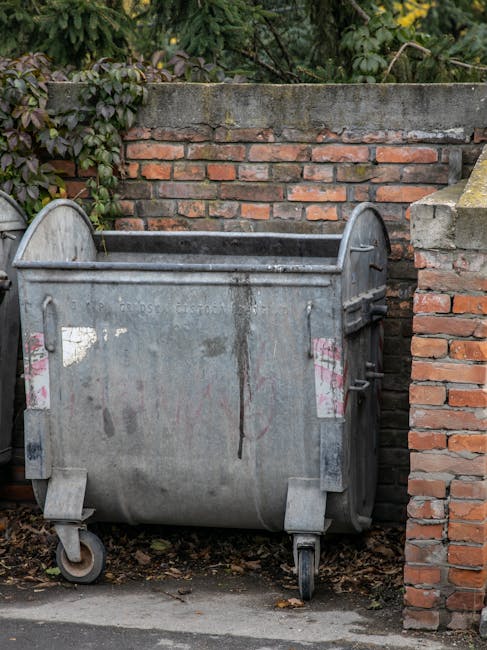
Merton Council skip and waste rules: disposal guide
If you are planning a clear-out in Merton, the rules around skips, bulky waste and general disposal can feel a bit fiddly at first. One wrong item, or one missed permit detail, and the whole job gets more stressful than it needs to be. This Merton Council skip and waste rules: disposal guide pulls everything together in plain English, so you can dispose of rubbish legally, avoid common mistakes, and choose the right waste option for your situation.
Whether you are clearing a flat before moving, tidying a garden after a weekend of pruning, or dealing with mixed household waste after a renovation, the basics are the same: know what the council expects, separate reusable items where possible, and plan ahead. That sounds simple enough, but in real life the details matter. And yes, the details are where people usually get caught out.
For readers also sorting a move or a property clear-out, it can help to look at broader services too, like general removals, furniture removals, or man and van support when heavy items need shifting carefully rather than simply dumped.
Table of Contents
- Why Merton Council skip and waste rules matter
- How the rules work in practice
- Key benefits and practical advantages
- Who this is for and when it makes sense
- Step-by-step guidance
- Expert tips for better results
- Common mistakes to avoid
- Tools, resources and recommendations
- Law, compliance, standards and best practice
- Options, methods and comparison
- Case study or real-world example
- Practical checklist
- Conclusion
- Frequently asked questions
Why Merton Council skip and waste rules matter
The short version? Because waste is regulated for good reason. Local rules are there to keep pavements clear, protect public safety, reduce fly-tipping, and make sure waste is handled by the right people in the right way. If you have ever walked past an overflowing skip on a narrow road and thought, "well that looks awkward," you already understand the problem.
In Merton, as in most London boroughs, waste disposal is not just about throwing things away. It is about where waste sits, how it is moved, what is inside it, and whether the container or collection method is allowed in the first place. A skipped load of clean rubble is one thing. A skip packed with fridges, plasterboard, mattresses, paint tins and old electricals is another matter entirely.
The rules matter even more in residential streets, where access can be tight and neighbours are close by. Noise, obstruction, and unsafe loading can all become issues quickly. To be fair, most problems are avoidable with a bit of planning. The tricky part is knowing which option suits the job: skip hire, council collection, a mixed waste pick-up, or a more tailored removal service.
For bigger household clear-outs, it is often worth thinking beyond the skip itself. A tidy pre-sort can save space, money and a lot of lifting. If you are moving home at the same time, services such as home moves and packing and boxes can make the process less chaotic, which, let's face it, is usually what people are really buying peace of mind for.
How Merton Council skip and waste rules: disposal guide works
At a practical level, the system has three moving parts: the waste type, the collection or container method, and the legal responsibilities attached to it. Get those three right and everything else becomes much easier.
1. Identify the waste
Start by separating what you have into broad groups. Typical examples include general household rubbish, bulky furniture, garden waste, renovation debris, electrical items, and recyclable materials like metal or cardboard. Some items are straightforward, some are not. A broken chair, for instance, is usually simple. A chair with treated wood, metal springs and fabric padding might need a slightly more considered route.
2. Choose the disposal method
For many jobs, the main choices are:
- A skip for large, mixed volumes of waste where space is available.
- A council or bulky waste collection for limited items or one-off disposal.
- A man and van service for flexible loading, especially when access is tight.
- A dedicated removal service when items need lifting, sorting or careful handling.
Each option has strengths. A skip is useful when you want everything in one container and can leave it in place legally. A van-based collection is often more convenient if the waste is ready to load and you do not want a container sitting outside for days. If you are unsure, services like removal services or removal van support can help match the method to the job rather than forcing the job into the wrong method.
3. Check what is restricted
This is where people tend to stumble. Most local waste guidance separates ordinary rubbish from items that need special handling. Commonly restricted items include hazardous materials, gas cylinders, liquids, solvents, asbestos, batteries, tyres, and certain electrical goods. Some plasterboard and construction waste can also require separate treatment depending on the disposal route.
Do not assume "it will probably be fine." That phrase has caused more headaches than it should. If an item is questionable, keep it out of the main load until you know what to do with it.
4. Consider access and placement
Skip placement is not just a logistical issue; it is a legal and safety issue too. You need to think about driveway width, pavement obstruction, traffic flow, and whether the container may need a permit or formal permission if placed on public land. On a busy Merton street, a poorly placed skip can become an instant problem for pedestrians, wheelie bins, emergency access and neighbours trying to get out with a buggy.
5. Load safely and sensibly
Loading matters more than people think. Heavy items should go in first, and waste should be distributed evenly. Do not overfill. If material is piled above the sides, collection may be refused or made unsafe. That is a frustrating moment when everyone is already tired, and nobody wants to repack a skip on a wet afternoon.
Key benefits and practical advantages
Following the right disposal route is not just about avoiding trouble. It can also make your whole project faster and cleaner.
- Less stress: When the disposal plan is clear, you are not making last-minute decisions with a van full of junk outside.
- Better compliance: You reduce the risk of fines, rejected collections, or nuisance issues.
- Safer handling: The right method reduces lifting injuries and messy mishaps.
- Cleaner recycling outcomes: Sorting waste properly improves the chance that reusable or recyclable items are recovered.
- More efficient projects: Builders, landlords, tenants and homeowners all move faster when waste is handled in sequence rather than as an afterthought.
A lot of people only realise this after the fact. They book a clear-out, then discover they have three types of waste, a broken wardrobe, two old monitors, and a heap of cardboard that will not fit in the same container. A bit of planning up front saves that scramble.
If sustainability matters to you, it is worth pairing disposal with responsible recycling choices. The site's recycling and sustainability page is a useful reference point for thinking about reuse, recovery and lower-impact disposal habits.
Who this is for and when it makes sense
This guide is useful if you are any of the following:
- a homeowner clearing out a loft, garage, shed or garden
- a tenant trying to leave a flat tidy at the end of a tenancy
- a landlord managing end-of-let waste and bulky items
- a tradesperson dealing with small renovation debris
- a business handling office furniture, packaging or old stock
- a student moving out and faced with more stuff than expected, which happens more than people admit
For businesses and office managers, waste decisions often tie in with relocation and furniture removal. That is where services such as commercial moves, office removals, and office relocation services can be relevant. Office waste is a slightly different animal. Desks, monitors, archive boxes and packaging all need a plan, not just a bin bag and optimism.
For students and renters, the question is often speed versus cost. If you only have a handful of bags and a bed frame, one route makes sense. If you are clearing an entire room before a tenancy deadline, a broader collection service can be far more practical. The same goes for flats with narrow stairs and awkward corners; a flat removals approach can be a lot easier than trying to wrestle everything into a skip on the street.
Step-by-step guidance
If you want to stay on the right side of Merton Council waste expectations, work through the process in a calm order. No heroics needed.
- Sort the waste by type. Separate general rubbish, recyclable items, bulky furniture, garden waste and anything potentially hazardous.
- Measure the scale of the job. Estimate volume before choosing a skip or collection. It is easy to underestimate by eye. That big mound in the hallway? It grows, somehow.
- Check access. Think about parking, road width, distance from the property and whether there is space for loading.
- Decide on skip or collection. Choose a skip if you have a sustained clear-out. Choose a van collection if the waste can be loaded in one go.
- Set aside restricted items. Keep hazardous or special waste separate until you know the correct route.
- Prepare the load properly. Break down furniture where safe, flatten cardboard, and place heavier pieces first.
- Confirm any permit or permission needs. If the container may go on public land, check the placement requirements early.
- Schedule disposal at the right point in the project. Do not leave waste until the end if it is blocking access or slowing down other work.
One small but important tip: if you are clearing a home before moving day, get the waste sorted before the final rush. It makes the whole moving process smoother, especially if you are also using house removals or house removalists for the main move.
Expert tips for better results
Here is the kind of advice people usually only hear after they have already made life harder for themselves.
- Pre-sort before booking. If you know what is going out, you can choose the most efficient disposal method.
- Keep recyclable materials clean and separate. Cardboard soaked in rain or contaminated with food waste is far less useful.
- Break down furniture early. A bed frame or wardrobe takes far less space once dismantled.
- Use bags sparingly. Loose, sharp or heavy waste is better controlled in rigid containers or well-managed loads.
- Take photos of questionable items. It helps if you need a second opinion on what can go together.
- Book around access times. School runs, parking restrictions and bin collection days can all affect loading. London streets can be a bit of a puzzle sometimes.
If you are moving awkward or valuable items, such as a piano, it is wise to separate that from standard rubbish handling entirely. A specialist service like piano removals keeps delicate, heavy items out of the general waste stream, which is exactly what you want.
And a gentle reminder: if a load looks "almost full," it is probably full. That near-full state is where overfilling disasters are born.
Common mistakes to avoid
Most disposal headaches come from the same handful of errors.
- Mixing prohibited items into general waste. Batteries, liquids and other specialist materials should not be hidden in a mixed load.
- Leaving sorting until the last minute. This often leads to poor choices and extra charges.
- Overfilling the container. It creates safety issues and collection delays.
- Ignoring access restrictions. A skip or van cannot magically fit where it does not fit.
- Assuming all waste can be handled the same way. It cannot. Some items need separate treatment.
- Using the wrong service for the job. Booking the cheapest option is not always the best one if the load is awkward or bulky.
There is also a softer mistake people make: treating waste disposal as the least important part of the project. It is not. Good disposal is often what makes a move, renovation or clear-out feel finished rather than half-done.
Tools, resources and recommendations
You do not need fancy equipment to do this properly. You do need a few simple things.
- Heavy-duty gloves for handling rough or dirty items
- Strong bin liners or sacks for lightweight mixed waste
- A tape measure for checking doorways, alley access and container space
- A marker pen and labels for sorting piles clearly
- A trolley or sack truck if you are moving items over a long path
- Basic disassembly tools for beds, shelves and flat-pack furniture
It can also help to compare disposal with other property-moving support. For example, if you are decluttering before selling, storage can bridge the gap between "not needed now" and "not ready to throw away." The storage service may be useful if you are not certain whether to keep or release certain items yet.
For busy households, pairing disposal with same day removals can be a practical answer when time is tight and you need the place cleared quickly. That happens more often than people expect, especially near tenancy deadlines or completion dates.
Law, compliance, standards and best practice
Waste disposal in the UK sits within a framework of legal responsibility, environmental care and local enforcement. You do not need to become a waste-law specialist, thankfully, but you do need to understand the basics.
Duty of care is the big one. In plain English, this means waste should be transferred to a responsible person or business and handled properly all the way through. If you hand rubbish to someone without checking that they are legitimate, you can still end up with trouble if it is fly-tipped or managed badly. That is the part people miss.
Best practice usually means separating recyclables, avoiding contamination, not overfilling containers, and using suitable vehicles or containers for the material involved. For commercial settings, keeping records and using reputable services matters even more. The same goes for anything that could be considered hazardous or bulky.
Health and safety is not just a box-ticking phrase. Broken glass, sharp wood, heavy furniture and unstable piles can cause real injuries. When a load gets wet, slippery and heavy, things can go wrong fast. That is why working with a provider that takes safety seriously is a sensible move. The site's health and safety policy and insurance and safety information are useful trust signals if you are choosing a company to help.
For businesses, compliance also overlaps with planning and logistics. If you are relocating stock, furniture or equipment, a well-run removal companies partner can reduce waste, avoid damage, and keep the site tidy. That matters more than people think, especially when customers or staff are still on site.
Options, methods and comparison
Choosing the right disposal route depends on how much waste you have, how quickly it needs to go, and where it is located. Here is a simple comparison.
| Method | Best for | Strengths | Watch-outs |
|---|---|---|---|
| Skip hire | Large, mixed clear-outs with space to place a container | Convenient, simple, works well for ongoing work | May need permission; overfilling and restricted items can cause problems |
| Council-style bulky collection | Limited items or a small one-off job | Simple for a few large pieces | Less flexible; may not suit mixed loads or urgent timeframes |
| Man and van collection | Flexible collection from properties with tight access | Fast loading, useful for awkward locations | Needs good pre-sorting to stay efficient |
| Dedicated removal service | Furniture, mixed house clear-outs, or project-based disposal | Less lifting for you; better for heavy items | May be more than you need for a very small job |
For household clear-outs, the best option is often the one that matches access and item type rather than raw volume. A tiny flat with steep stairs and no parking might be better served by a van-based collection than a traditional skip. On the other hand, if you have garden rubble, plaster and old fixtures from a long weekend of DIY, a skip can be more practical. Horses for courses, as people say.
Case study or real-world example
Imagine a small Merton terrace after a kitchen refresh. There is a damaged table, two broken chairs, cardboard packaging, a bag of old utensils, some timber offcuts and a couple of odd items from the shed that nobody has looked at for years. Nothing dramatic, but enough to clog the hallway and make daily life annoying.
The first instinct might be to pile everything into one container and sort it later. That is usually where the trouble starts. Instead, the homeowner separates the obvious recyclables, keeps glass and sharp items boxed, checks the awkward items individually, and then chooses a van collection rather than leaving a skip in a tight residential road. The result is cleaner loading, less obstruction, and a quicker finish. Simple, but effective.
In a different scenario, an office in the borough is clearing old desks, filing cabinets and boxes of obsolete paperwork during a relocation. That job is not just rubbish removal; it is part of a wider move. Combining it with office removals and packing and unpacking services keeps the process controlled rather than scattered across several days. You feel the difference immediately when the floor starts to open up and the echo changes in the room. Small thing, but it matters.
Practical checklist
Use this checklist before you book or load any waste:
- Identify every item you want to dispose of.
- Separate recyclables, reusable goods and general waste.
- Remove restricted or hazardous items from the main pile.
- Measure access, parking and container space.
- Decide whether you need a skip, a collection or a removal service.
- Check whether any placement permission may be needed.
- Break down furniture where safe and practical.
- Keep loads below the top edge of the container or vehicle.
- Confirm the collection time and make sure the area is clear.
- Keep a note of what has been disposed of, especially for business use.
If you are in the middle of a move, that checklist becomes even more valuable. A tidy disposal plan makes everything else easier, from the first box to the final sweep of the floor.
Get a free quote today and see how much you can save.
Conclusion
Merton Council skip and waste rules are not there to make life difficult. They exist to keep disposal safer, cleaner and fairer for everyone using the local streets and services. Once you understand what kind of waste you have, where it can go, and how to load or collect it properly, the rest becomes much less intimidating.
The best approach is usually the one that matches your actual situation, not the one that looks easiest on paper. A few minutes of sorting now can save a lot of time later. And if your clear-out is tied to a move, renovation or business relocation, the right support can make the whole thing feel lighter. Not perfect. Just lighter, and that is often enough.
When the dust settles and the last bag is gone, you notice the quiet. That is the bit people usually want most.
Frequently Asked Questions
What can I put in a skip in Merton?
Most ordinary household waste, general bulky rubbish and many non-hazardous materials can usually go in a skip, but restricted items should be kept out. If in doubt, separate the item first and check how it should be handled.
Do I need permission to place a skip outside my home?
If the skip will sit on public land, permission or formal approval may be required. If it is entirely on private land, the position is usually simpler, but access and safety still matter.
Can I put electrical items in with general waste?
Not always. Electrical items often need separate handling because they may contain components that should be treated differently from ordinary rubbish.
What items are usually not allowed in a normal skip?
Hazardous materials, liquids, batteries, tyres, asbestos, gas cylinders and some other specialist waste types are commonly excluded from standard loads. Treat anything questionable as separate until confirmed otherwise.
Is a man and van service better than a skip?
It depends on the job. A van-based collection is often better for tight access, mixed household items and quick clear-outs. A skip can be better for ongoing DIY or larger volumes of waste.
How do I avoid overfilling a skip or collection vehicle?
Break items down early, flatten cardboard, and load heavier objects first. Leave some space at the top so nothing spills over during transport.
Can I dispose of furniture with my waste collection?
Often yes, but large furniture is usually easier to handle through a dedicated removal or furniture collection service, especially if it needs lifting or dismantling first.
What should businesses do differently?
Businesses should be more careful about sorting, records and compliance. Commercial waste should be handled by a responsible service and not mixed casually with household rubbish.
How far in advance should I plan disposal?
Ideally a few days ahead for small jobs, and longer for bigger projects or anything involving access, permits or bulky furniture. Leaving it until the last minute tends to create avoidable stress.
Can waste disposal be combined with a house move?
Yes, and that is often the smartest way to do it. Combining disposal with a move helps reduce clutter, saves lifting, and makes the final property handover easier to manage.
What if I am not sure whether an item is hazardous?
Keep it separate and do not mix it into the main load. A cautious approach is always better than sending the wrong item into a general disposal route.
What is the simplest way to clear a whole property?
Start by sorting room by room, separate reusable and recyclable items, then choose the disposal method that suits access and volume. For larger homes or busy timelines, a removal-based approach is often the least stressful option.
For more background about the team and how services are handled, you can also visit the about us page. If you are ready to plan a move or clear-out, the most reassuring thing is simply having a clear plan in place. One step at a time.