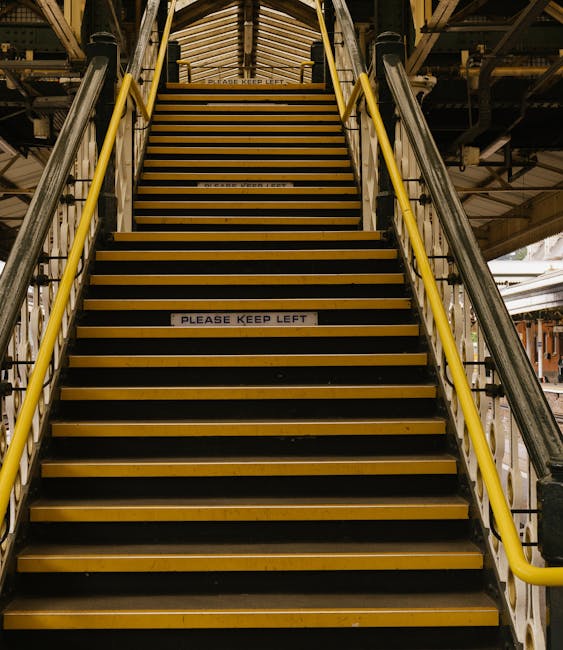
Mitcham CR4 Flats: Expert Short-Stair Removals for Safer, Faster Moves
If you live in a Mitcham CR4 flat and the stairs are short, tight, or awkwardly turned, you already know the problem: moving day can feel simple on paper and slightly chaotic in real life. A sofa that looked manageable in the lounge suddenly becomes a wall-filling obstacle. A wardrobe meets the banister. Someone says, "It'll fit," and then, well, it doesn't. That is exactly where Mitcham CR4 flats: expert short-stair removals make the difference.
This guide explains how specialist flat moving works in practical terms, why stair layout matters so much, and how to plan a move that protects both your belongings and the building. You will also find a clear step-by-step process, common mistakes to avoid, a realistic comparison of moving options, and a checklist you can use straight away. If you are comparing services, you may also find our flat removals in Merton page useful for broader service details, or our pricing and quotes information if you want to understand the next financial step.
Table of Contents
- Why Mitcham CR4 flats: expert short-stair removals Matters
- How Mitcham CR4 flats: expert short-stair removals Works
- Key Benefits and Practical Advantages
- Who This Is For and When It Makes Sense
- Step-by-Step Guidance
- Expert Tips for Better Results
- Common Mistakes to Avoid
- Tools, Resources and Recommendations
- Law, Compliance, Standards, or Best Practice
- Options, Methods, or Comparison Table
- Case Study or Real-World Example
- Practical Checklist
- Conclusion
- Frequently Asked Questions
Why Mitcham CR4 flats: expert short-stair removals Matters
Short staircases in flats sound like a minor detail, but in moving terms they are a big deal. The issue is not just the number of steps. It is the full shape of the route: the turn on the landing, the height of the risers, the width of the banister gap, the ceiling clearance, and whether the walls are freshly painted or already marked from previous moves. A staircase can be short and still be difficult.
In Mitcham CR4, many flats sit in converted houses, purpose-built blocks, or mixed residential buildings where access is not always generous. That means standard moving assumptions can fall apart quickly. A removal team needs to think ahead: can a bed frame be taken round the corner in one piece? Will a fridge need two people and a pause at the landing? Is the route safe for both the movers and the property? These are the questions that separate a smooth move from a stressful one.
To be fair, many people only notice the problem on moving day. By then the lift is unavailable, the parking is tight, and the sofa is already halfway through the doorway. Planning for the staircase early avoids that nasty little moment of silence when everyone realises the item is too long by just enough to matter. If you are in the middle of a wider move across the borough, our removals in Merton overview gives a helpful starting point.
Short-stair removals matter because they protect three things at once: your belongings, the building, and your schedule. In a flat move, damage is often caused not by weight alone but by angle. A chest of drawers can be light enough for two people, but awkward enough to nick the wall every time it turns. That is why specialist handling is more than just a nice extra. It is practical risk control.
How Mitcham CR4 flats: expert short-stair removals Works
Expert short-stair removals are usually built around one simple idea: measure first, move second. The team looks at the actual access route and decides how each item should be carried, protected, and positioned. No guesswork. No heroic lifting attempt. Just a practical plan.
Here is what usually happens behind the scenes:
- Access review - the team checks stair width, turns, landings, entry points, and parking access.
- Item assessment - bulky furniture, fragile pieces, and awkward shapes are identified early.
- Protection planning - blankets, covers, corner guards, and floor protection are prepared.
- Handling strategy - items may be carried upright, tilted, dismantled, or moved with two-person coordination.
- Loading sequence - larger items are usually moved in a logical order to avoid blocking the route.
- Final checks - walls, banisters, and flooring are checked before the team leaves.
That sounds straightforward, and it is, but the detail matters. One flat might need a simple two-person carry and careful turning. Another might need partial dismantling of wardrobes or bed bases before the first box even reaches the van. Sometimes the smartest move is to use a man and van in Merton style service for a smaller load; other times a larger crew and a removal van with more space is the safer choice.
Short stairs also change the rhythm of the day. You can often move quickly between rooms and van, but the lifting angles are tighter. That means a good team works more deliberately, not more slowly for the sake of it. There is a difference. One is careful, the other is fumbling. You want the first.
Key Benefits and Practical Advantages
There are some clear upsides to using experienced movers for short-stair flat access in Mitcham CR4. The biggest one is peace of mind, which sounds vague until you are carrying a glass table over a landing with one hand on the rail and someone saying, "just a bit more this way." Then peace of mind becomes extremely concrete.
- Less risk of damage to walls, doors, bannisters, and furniture.
- Better speed because the team already knows how to manage awkward turns.
- Less physical strain on you, friends, or family helping out.
- Cleaner packing decisions because the access route is considered in advance.
- More predictable timing which helps if you have an inventory, handover window, or parking restriction.
- Improved safety when carrying heavy or unstable items in confined spaces.
There is also a less obvious benefit: confidence. Once you know a mover has handled difficult stair access before, you tend to stop second-guessing every piece of furniture. That matters. Moves go better when everyone is calmer and not trying to reinvent the wheel at the front door.
If your flat move includes delicate items, it can be worth looking at specialist support such as furniture removals in Merton or, for especially sensitive pieces, piano removals in Merton. Not every flat move needs specialist handling for every item. But when it does, it really does.
Who This Is For and When It Makes Sense
Short-stair removals are a strong fit for anyone moving out of or into a flat where the access route is limited, steep, narrow, or simply awkward. That covers more people than you might think.
This service makes sense if you are:
- moving from a one-bedroom or two-bedroom flat with internal stairs
- living in a converted property with narrow access
- moving furniture into an upper-floor flat with only staircase access
- handling bulky items like wardrobes, sofa beds, dining tables, or white goods
- trying to avoid damage in a shared hallway or communal entrance
- short on time and need a more coordinated move
It is also a good option for students and younger tenants moving between rentals, especially when time is tight and budgets are not endless. In those cases, a student removals service in Merton can be a practical match. On the other hand, if you are moving a larger family property or dealing with a bigger list of furniture, a house removals service may be the better fit.
Truth be told, this is also the kind of service people underestimate until they need it. A new sofa may seem easy enough to shift. Then you get to the staircase. Then the turn. Then the "oh no" moment. Short-stair expertise is really about removing those little moving-day surprises before they happen.
Step-by-Step Guidance
If you want a smoother move, treat the staircase like a project, not an afterthought. Here is the process I would recommend.
1. Measure the route properly
Measure the width of the stairwell, the tightest turn, the height of the ceiling on the landing, and the size of the largest furniture pieces. A tape measure and a few careful notes can save a lot of trouble. If possible, take photos from the bottom of the stairs, the landing, and the front door area.
2. Decide what should be dismantled
Flat-pack wardrobes, bed frames, dining tables, and some desks are easier and safer to move in parts. Dismantling is not always necessary, but it often reduces strain on the route. Keep screws, bolts, and fittings in labelled bags. Small thing, big difference.
3. Protect the building before moving anything
Use floor runners, protective blankets, and corner padding where needed. A careful mover will usually bring their own equipment, but it helps to understand what should be protected in your building: paintwork, bannisters, door frames, and the communal hallway.
4. Pack with the staircase in mind
Heavier boxes should be smaller, not larger. It sounds obvious, but people still pack books into giant boxes and then wonder why every stair feels like leg day. Keep breakables separate, label fragile items clearly, and avoid overfilling bags that may swing into the wall.
5. Plan the loading order
Large items often need to go first, but not always. The right sequence depends on access, parking, and the route through the flat. A good team thinks about this before lifting, not while standing on the landing.
6. Keep the route clear
Remove mats, loose boxes, shoe racks, and anything else that could catch a foot or slow the team down. If neighbours share the hallway, give them a polite heads-up. It is just good manners, and it avoids that awkward shuffle where everyone tries to pass each other with a mattress in the middle.
7. Do a final walk-through
Check cupboards, loft access, under the bed, and inside the washing machine drum. Yes, really. People forget odd places when the day gets busy. Once the van has left, you do not want to realise the kettle is still in the kitchen drawer.
Expert Tips for Better Results
Here are a few practical details that make a big difference, especially in flat moves with short or awkward stairs.
- Use smaller boxes for dense items. Books, tools, and kitchenware get heavy fast.
- Keep one "first-night" box separate. Put chargers, toiletries, snacks, and basic bedding in it.
- Take doors off only if needed. Sometimes that extra few centimetres is enough, but it should be done carefully.
- Protect corners before turning. A split-second pause at the landing can save a damaged wall.
- Check parking early. In Mitcham CR4, access outside the building can matter as much as the staircase itself.
- Ask about route planning. A good team should be able to explain how they will handle the awkward pieces.
One of the best habits is simply to slow down at the difficult bit. People often rush the final turn because the item is nearly through. That is exactly when knocks happen. Slow is smooth; smooth is fast. A bit of an old line, yes, but it holds up on a staircase.
If you are also looking at storage during a staggered move, it can help to review local storage options before moving day. A short delay between move-out and move-in is common enough, and having a backup plan makes everything less frantic.
Common Mistakes to Avoid
The same errors come up again and again with flat removals, especially where stair access is tight.
- Assuming the furniture will fit because it got into the flat once. Moving items out is often harder than moving them in.
- Leaving measurements until the morning of the move. By then, your options are limited.
- Using oversized boxes for heavy items. It saves time at packing and costs you later on the stairs.
- Not protecting communal areas. Shared buildings deserve care; so do your relations with neighbours.
- Trying to carry too much at once. It is not a badge of honour. It is how people strain themselves.
- Forgetting about route obstacles. Radiators, railings, narrow landings, and sharp corners all matter.
Another common mistake is choosing a service without checking what kind of access they regularly handle. A mover can be excellent with general house shifts and still be less confident with tricky flat staircases. There is no shame in asking direct questions. In fact, you should.
If price is part of your decision, compare like with like. Our prices page can help you understand the kind of information worth asking for, and it is usually better to get a clear quote than a vaguely low number that changes later.
Tools, Resources and Recommendations
A well-prepared short-stair removal is supported by the right kit. You do not need to become a moving expert yourself, but it helps to know what good setup looks like.
| Tool or Resource | Why it helps | Best used for |
|---|---|---|
| Removal blankets | Protect furniture and wall edges during turns | Sofas, tables, wardrobes |
| Floor runners | Reduce scuffs on hallways and stairs | Shared entrances, painted steps |
| Straps and trolleys | Improve control for heavier items | Appliances, boxes, compact furniture |
| Disassembly tools | Help reduce item size for tight access routes | Beds, desks, wardrobes |
| Box labels and marker pens | Speed up unpacking and reduce confusion | Every room, especially kitchens |
It is also worth using local information as part of your move planning. If you are settling into the area, the locals' view on living in Merton gives a nice sense of the neighbourhood, while the expert guide to Merton real estate can help if you are thinking about the long-term housing picture.
And if the move is tied to a sale or onward purchase, our guide on preparing to sell in Merton is a useful companion piece. Moves rarely happen in a neat vacuum. There is usually a chain, a deadline, or a very determined calendar entry somewhere.
Law, Compliance, Standards, or Best Practice
For flat removals, compliance is mostly about safety, access, care for the property, and clear terms. There is no need to overcomplicate it, but there are a few best-practice areas worth respecting.
- Risk awareness: Safe lifting, clear routes, and sensible team sizes matter when carrying awkward items.
- Building respect: Shared hallways, stairwells, and communal entrances should be protected from damage where practical.
- Insurance understanding: It is sensible to know what cover applies to your move and what exclusions may exist.
- Clear service terms: Make sure you understand the booking, cancellation, payment, and responsibility terms before the day arrives.
- Data and privacy: If you are sharing personal details for a quote or booking, check the provider's privacy information.
For a deeper look at service reassurance, it can be useful to review insurance and safety alongside the company's health and safety policy. If you want to know how bookings, payments, and customer issues are handled, the pages on payment and security, terms and conditions, and the complaints procedure are worth a look. Not glamorous reading, admittedly, but very sensible.
Best practice is really about avoiding preventable problems. A move that is carefully planned, fairly priced, and clearly communicated is usually a better move. Simple as that.
Options, Methods, or Comparison Table
There is more than one way to handle a Mitcham flat move with short stairs. The right option depends on volume, access, time pressure, and how much heavy furniture you have.
| Option | Best for | Pros | Trade-offs |
|---|---|---|---|
| DIY with friends | Very small moves, few heavy items | Low upfront cost, flexible timing | Higher risk of damage, strain, and delays |
| Man and van | Small to medium flat moves | Good value, more practical support | May need more planning for bulky furniture |
| Dedicated flat removals team | Awkward stairs, more furniture, time-sensitive moves | Stronger coordination, better protection, less stress | Usually a higher cost than basic help |
| Full removals service | Larger households or more complex moves | Most complete support and planning | May be more than you need for a small flat |
In many CR4 flat moves, the sweet spot is somewhere between a basic van hire and a fully managed house move. A good mover will match the service to the access route rather than pushing one-size-fits-all advice. That is what you want.
If you are weighing up local providers, the wider removal services in Merton page and our about us information can help you understand the service style and scope before you book.
Case Study or Real-World Example
Imagine a two-bedroom flat in Mitcham CR4 with a short but sharply turning staircase. The move includes a sofa, a bed frame, a chest of drawers, boxes of books, and a washing machine. The access looks manageable until the team arrives and sees the landing turn is tighter than expected.
In a situation like that, a good approach would be:
- remove the bed frame before carrying it down
- wrap the sofa arms and corners before the first lift
- send the lighter boxed items down first to clear space
- protect the banister and wall edge at the landing
- assign one person to guide movement around the turn
Nothing dramatic, just disciplined handling. The washing machine might need extra caution because weight and balance behave differently on stairs than on a flat hallway. The chest of drawers may need to be carried at a slight angle with a pause halfway down. Small adjustments, but they change everything.
I remember a similar flat move where the real problem was not the staircase itself, but the hallway clutter inside the property. A pair of trainers by the door, a laundry basket, a child's scooter. All harmless on a normal day, all mildly chaotic when trying to carry a wardrobe out. Five minutes of clearing the route would have saved twenty minutes of shuffling. That is the sort of thing people only learn once, thankfully.
When the plan is right, the move feels almost boring in the best possible way. That is the goal. No fuss, no damage, no last-minute panic.
Practical Checklist
Use this checklist before moving day. It keeps the process simple and helps you catch the little details that cause big delays.
- Measure the staircase, landing, and widest furniture items
- Photograph awkward access points for reference
- Decide which furniture should be dismantled
- Label boxes by room and weight
- Pack heavy items into smaller boxes
- Protect fragile items with proper wrapping
- Clear hallways, corridors, and stair landings
- Check parking or loading access outside the building
- Confirm arrival times and contact details
- Review insurance, payment, and service terms
- Prepare a first-night essentials box
- Walk through the flat one last time before leaving
Expert summary: the safest and most efficient short-stair move is usually the one that is measured, protected, and planned before anyone starts lifting. If you sort access, packing, and timing early, the rest tends to fall into place. Not perfectly, maybe, but well enough that the day feels manageable.
Get a free quote today and see how much you can save.
Conclusion
Mitcham CR4 flat moves can be wonderfully straightforward or slightly nerve-racking, and the difference often comes down to stair access. Short stairs may not look dramatic, but they demand the same careful planning as any other tricky route. The right team will measure properly, protect your home, handle furniture with judgement, and keep the process calm from start to finish.
If you take one thing from this guide, let it be this: do not leave the staircase to chance. A few measurements, a clear packing plan, and a mover who understands flat access can save you time, money, and a fair bit of stress. And on moving day, that is worth a lot.
For a smoother experience, explore the relevant service pages, check the practical information, and choose the move setup that fits your flat rather than forcing the flat to fit the move. Sounds obvious. In practice, it is what separates the easy day from the exhausting one.
When the boxes are in place and the last stair has been cleared, there is a very particular kind of relief. Quiet, ordinary, lovely.
Frequently Asked Questions
What makes short-stair removals different from standard flat removals?
The main difference is access. Short stairs can still be narrow, twisty, or awkward around a landing, which makes carrying furniture more technical. It is less about distance and more about angles, turns, and protecting the building.
Do I need specialist help for a small flat move in Mitcham CR4?
Not always, but specialist help is worth considering if you have bulky furniture, heavy appliances, or a particularly tight staircase. A small move can still be awkward if the access route is poor.
Can large furniture be moved down short stairs safely?
Often yes, but it depends on the item and the staircase layout. Some items can be carried carefully as they are, while others may need to be dismantled first. A proper access check is the sensible place to start.
Should I dismantle furniture before the movers arrive?
If you are confident doing so, it can save time. Beds, wardrobes, and some tables are often easier to move in sections. Just keep all fittings together and label them clearly so reassembly is less of a headache.
How do I know if my staircase is too tight for a sofa or wardrobe?
Measure the narrowest width, the landing turn, and the item dimensions. Photos help too. If the item is only just fitting on paper, it is wise to assume the move may need extra handling or dismantling.
What should I do if my flat is in a shared building?
Protect communal areas, keep the route clear, and let neighbours know if noise or temporary obstruction is likely. Shared stairwells need a bit of extra care, and it usually pays off.
Is a man and van service enough for this type of move?
Sometimes yes, especially for smaller flat moves with limited furniture. For awkward stairs or heavier items, a more specialist flat removals service may be the better choice.
How far in advance should I book?
As early as you can, especially if you are moving at month-end, on a weekend, or with a chain involved. Early booking gives you a better chance to plan access, parking, and packing without rushing.
What if I also need storage between moves?
Storage can be a very practical solution if your move-out and move-in dates do not line up neatly. It helps reduce pressure on moving day and gives you room to sort things properly rather than cramming decisions into an afternoon.
How can I reduce the risk of damage on short stairs?
Use protection for walls and floors, pack heavy items sensibly, clear the route, and make sure the moving team has enough space to turn safely. Most damage happens when people rush or guess instead of planning.
Are there any local considerations for moving in Mitcham CR4?
Yes. Parking, road access, shared entrances, and the layout of older converted flats can all affect the move. A local team that understands the area is often better prepared for these small but important details.
Where can I learn more about the moving company before booking?
It is sensible to check the company's service pages, pricing information, safety details, and terms. For example, you can review the services overview, insurance and safety, and about us to get a clearer picture before you decide.
What is the best first step if I am planning a move now?
Measure the access route and list your biggest items. That single step tells you a lot about the level of help you will need. After that, ask for a quote and compare the support offered, not just the headline price.